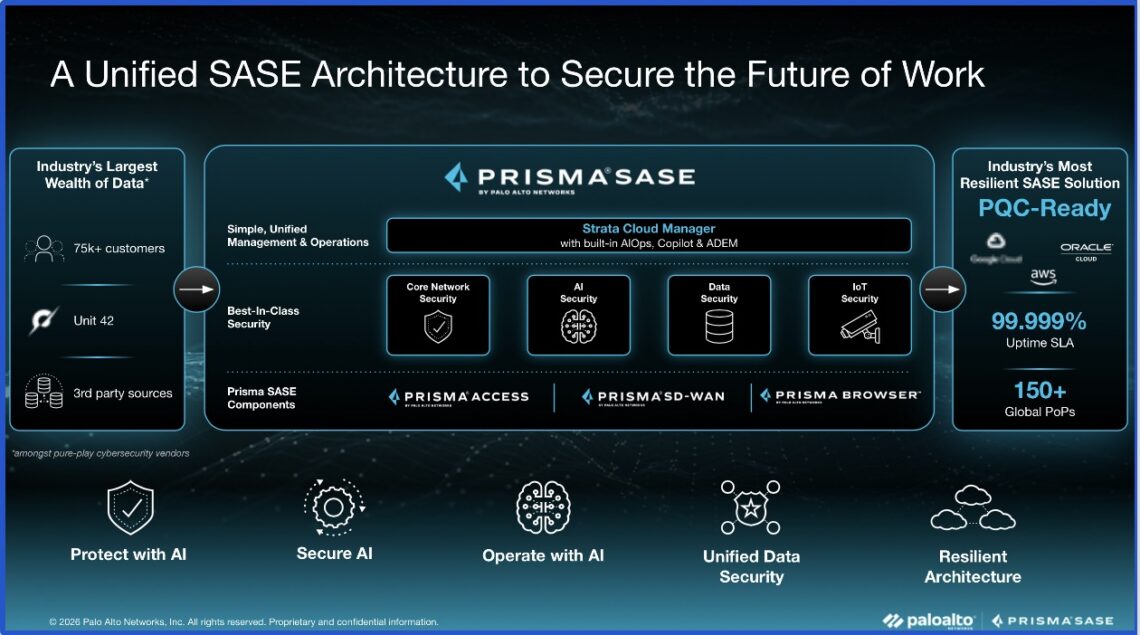
Summary Generative and agentic AI frameworks are empowering enterprises with dramatic efficiency gains by eliminating operational friction and enabling automation at scale. However, as modern AI applications and workload demands grow, legacy connectivity will struggle to keep pace with emerging AI threats. What is required is a unified SASE approach that delivers better business outcomes from a network assurance and security standpoint. The recent development of frontier models that can scan previously undetected vulnerabilities at machine speed is eye-opening. It serves as a wake-up call for organizations to use more granular observability tools to identify at-risk infrastructure and deploy a zero-trust architecture to mitigate breaches through least-privilege access. LoneStar Advisory…
-
-
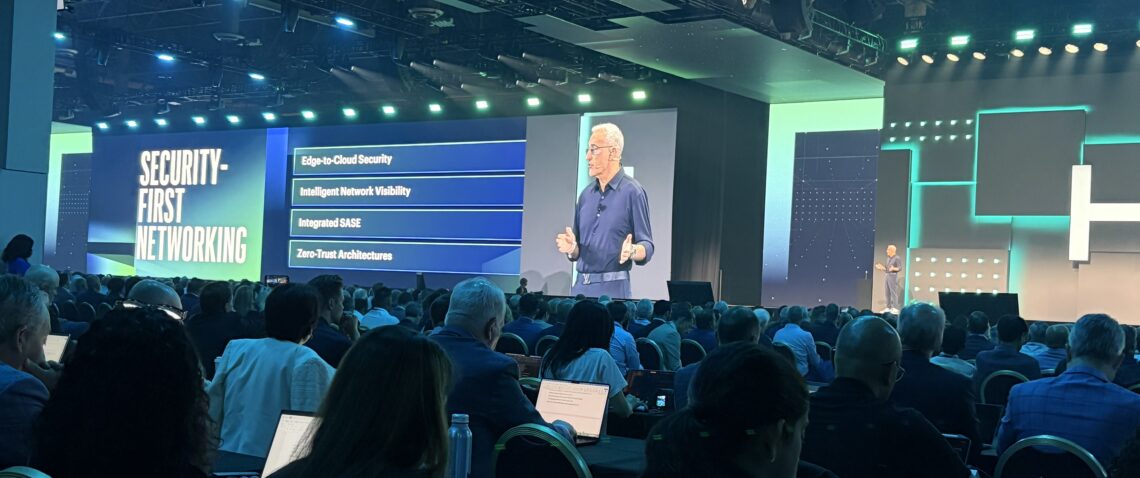
I recently attended Hewlett-Packard Enterprise Discover in the United States, meeting with the company’s executive leadership and product teams. This year’s event was especially significant, highlighting HPE’s progress with integrating its hotly contested acquisition of Juniper Networks, which was finally approved by regulators last July. I was bullish on the combination from the onset of the announcement, while other analysts and pundits viewed it as a share consolidation play that was potentially anticompetitive. From my perspective, the opportunity for HPE to create a formidable engineering team to better compete with other AI infrastructure by utilizing networking as its market penetration tip of the spear is powerful. It has the potential…