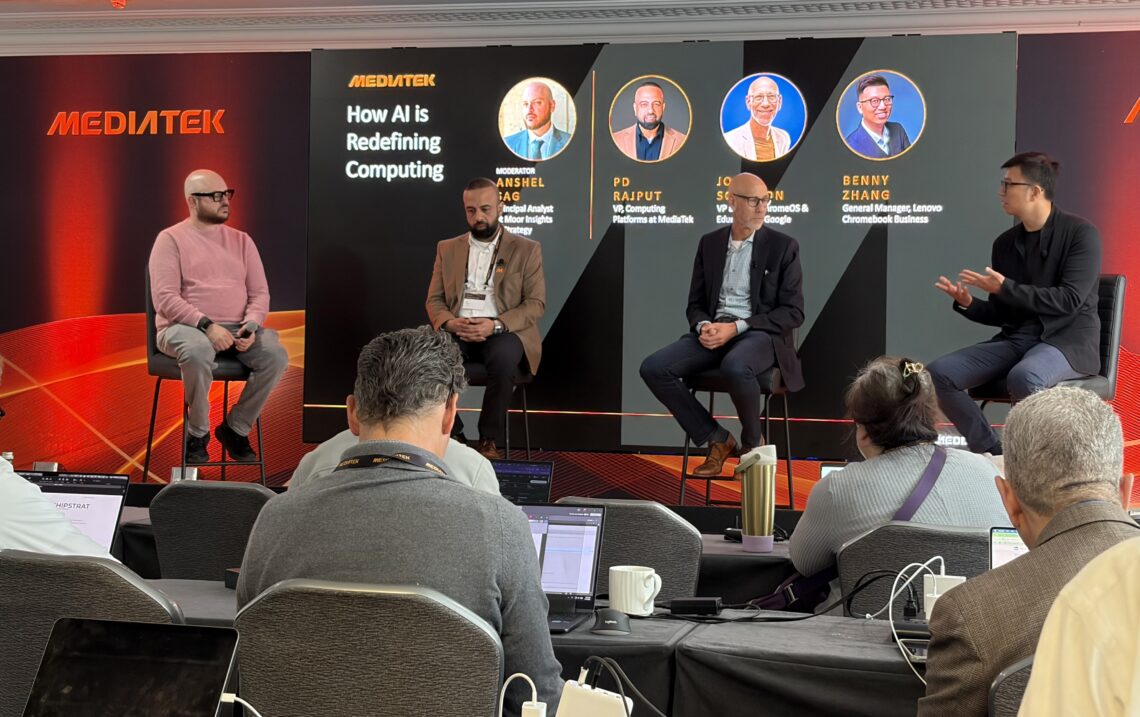
MediaTek welcomed a group of industry analysts to its annual event at the beautiful Ritz-Carlton in San Francisco’s Nob Hill district this week. I have always loved the hotel’s early 1900s Neoclassical architecture, and in many ways, its symmetry and simplicity echo MediaTek’s corporate DNA and humble yet confident culture. With a continued theme of summarizing my event attendance with three big takeaways – let’s dive in! No Longer The Value Play Historically, MediaTek has competed with Qualcomm in mobility SoCs as a value play. The strategy served the company well, allowing it to establish a leading position in the category. However, through a relentless pursuit of silicon development,…
-
-
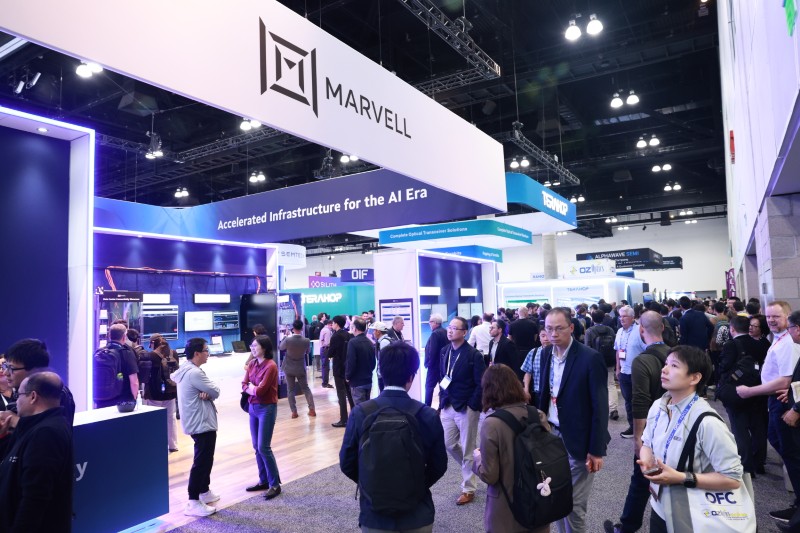
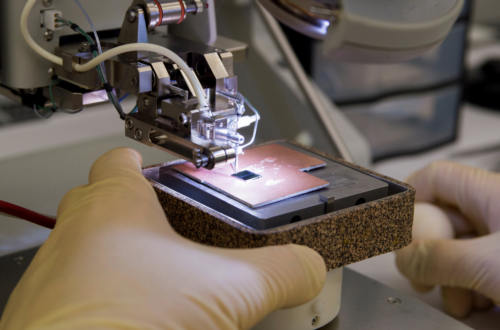
Image: OFC Conference 2026 Artificial intelligence can trace its symbolic birth back to the Dartmouth Conference in the summer of 1956. It had to be a wild concept at the time, a gathering of academic researchers that pondered the concept of machines that could think. Seven decades later, it has become a mainstream reality. Since the introduction of ChatGPT four years ago, and amid today’s rapid acceleration of agentic frameworks, compute has remained a focal point as GPU silicon evolves. However, the ultimate bottleneck of scaling modern AI applications and workloads is the advancement of networking infrastructure, and optical networking will play a significant role. As expected, AI infrastructure anchored…
-
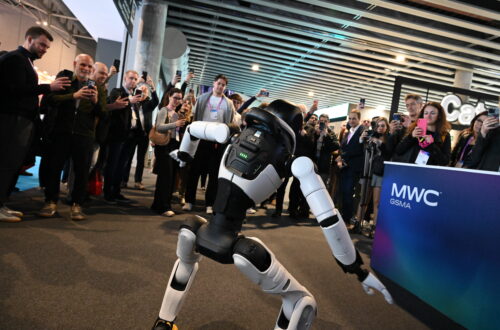
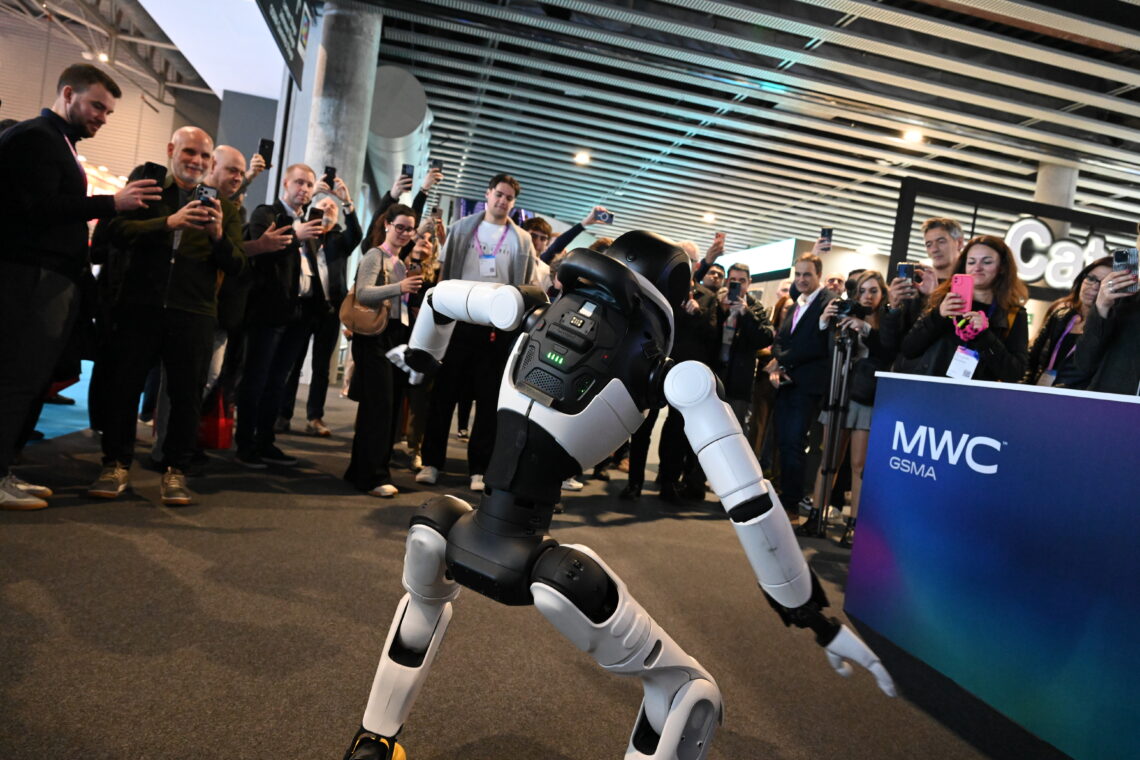
Image © 2026 GSMA / MWC During Mobile World Congress Barcelona 2026, AI, global connectivity frameworks, and large-scale infrastructure solution providers commanded the conversations, but three emerging technological innovators show great promise. Specifically, IQSTEL, pureLiFi, and AGIBOT stood out for their potential advancements in three distinct and critical sectors: AI-driven telecommunications, optical wireless communications (LiFi), and embodied intelligence through humanoid robotics. These businesses are demonstrating how the combination of specialized intelligence and alternative transmission mediums can address long-standing market inefficiencies by going beyond the industry’s customary focus on hardware scaling. This research note provides an analytical overview of these innovators, exploring how their tech stacks can unlock new telecom use cases and monetization opportunities. The…
-
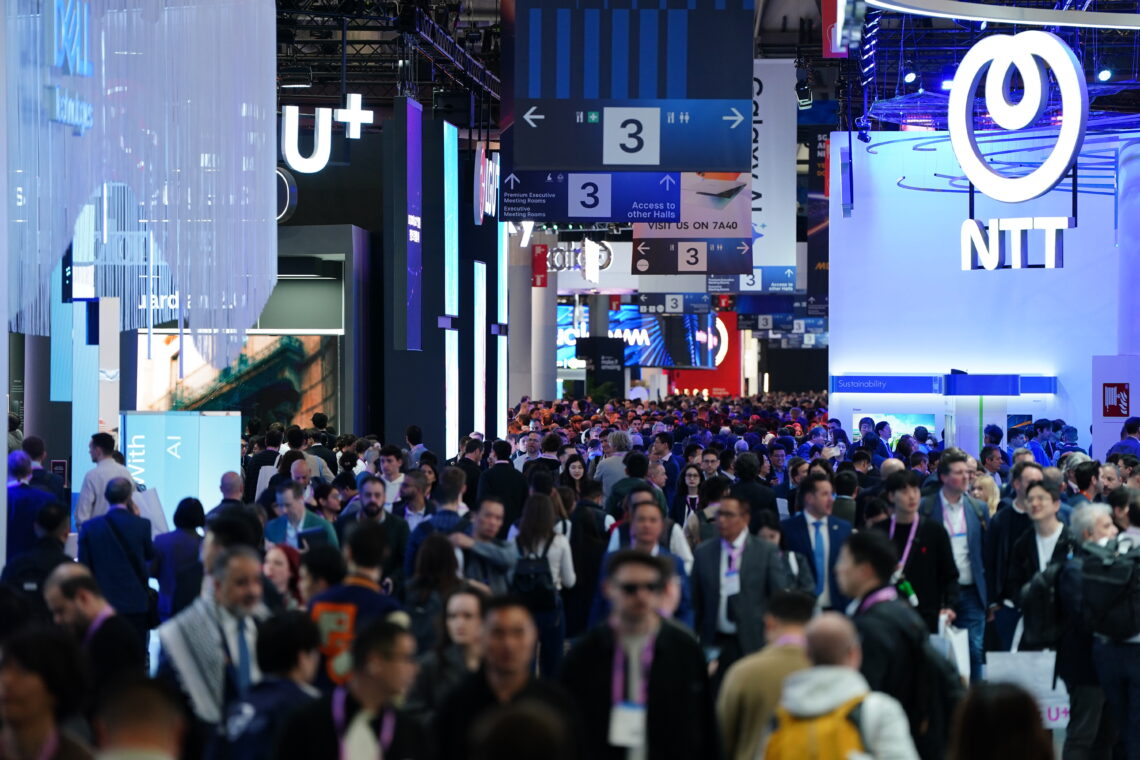
Image © 2026 GSMA / MWC Mobile World Congress Barcelona is the perennial event for the mobility industry. From its start exactly twenty years ago, MWC has showcased the latest in cellular infrastructure and device advancements dating back to the second “G.” Two decades is an eternity in any industry, and this year’s show highlighted the rapid advancements in cellular infrastructure and mobile devices. From my perspective, I walked away (after logging thirty miles dashing between halls at the Fira) with three big takeaways – so let’s dive in! AI Everywhere Not surprisingly, an overwhelming theme of AI everywhere punctuated MWC this year. From my perspective, AI washing has evolved…
-
-
Identity is the new hack. Cybersecurity architects, security operations center analysts, and C-suite IT executives are all struggling to maintain security posture and control with the growing use of modern AI tools by bad actors. Fundamentally, enterprise security now starts with identity access management, but it must evolve to stay one step ahead of an escalating threat landscape. With these points in mind, I will dive deeper into the challenges of securing identity and highlight what I find compelling about Cisco Duo’s approach after spending time with its leadership team late last year. Identity Is The New Hack Numerous published research reports indicate that the lion’s share of today’s security…
-
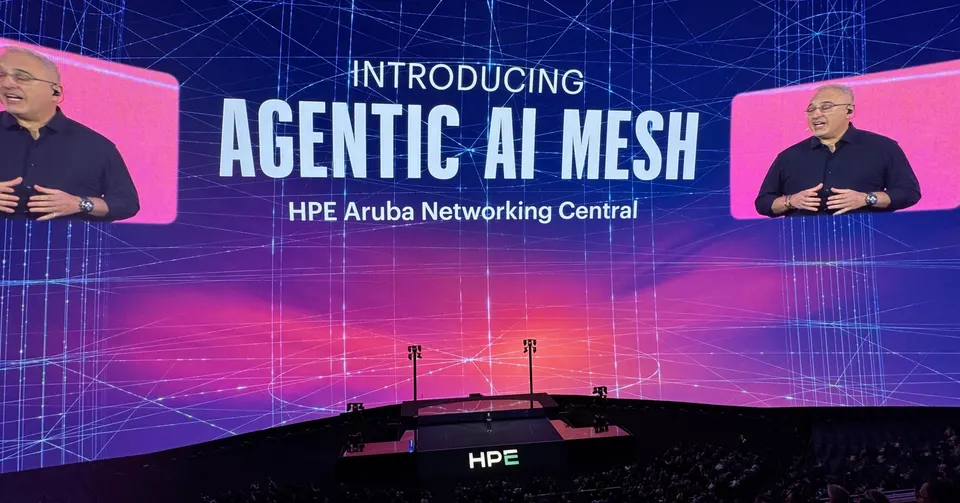
Hewlett Packard Enterprise celebrates its tenth anniversary this year, and the company’s recent Discover annual user and partner conference in Las Vegas served as a showcase for its past decade of accomplishments, as well as the ten-year anniversary of its acquisition of Aruba in 2015. The event also served as the debut for HPE’s new brand mark, refreshing a stodgy and text-heavy logo by incorporating a variation on Hewlett Packard’s iconic green badge that is meant to appear open to the future. HPE’s future is decidedly agentic in its focus, as evidenced by Discover’s overall theme and the race for the company and other IT infrastructure providers to capitalize on…
-
Protecting the Datacenter, Client, and Network Edge Next-generation enterprise AI is poised to become one of the most disruptive technology platforms introduced in decades, if not this century. It has the potential to unlock newfound efficiencies within enterprise IT and OT operations and incubate new business value. However, as with any leapfrog infrastructure advancement, bad actors will attempt to exploit vulnerabilities for financial gain and other advantages. Thus, organizations must defend against AI weaponization across the entire network expanse—from datacenters on-premises or in the cloud, to clients at the network edge. Enterprise AI LLMs and the underlying algorithms represent a significant investment and are only valuable if they can be…
-
The rise of artificial intelligence (AI), fueled by the overwhelming popularity of AI- powered language models like ChatGPT, along with the broader generative AI applications, spotlights the importance of data security. The large amount of data AI requires to train models makes data security paramount. Beyond securing the data used to build large language models (LLMs) — public and foundational — protecting the AI models themselves becomes equally important. This is true cross-domain, public and private, on-premises, in the cloud, and at the network edge. You can download the paper below: Source: https://moorinsightsstrategy.com/research-papers/research-paper-intel-protecting-data-and-models-within-emerging-ai-workflows/ Authors: Will Townsend, Patrick Morehead